Plant & factory relocation contractor
Manufacturing plant relocation. We move plants for a living.
Turnkey factory relocation for manufacturers: one machine, one production line or a whole plant. We decommission, rig, crate, move, store, reinstall, reconnect and start up under one contract, with millwrights, riggers, welders, pipefitters and electricians on our own payroll. Never missed a startup in 25 years.
Tell us about the move Call 877-898-4377
Someone who has moved a plant contacts you the same day. Large scopes take real planning, and we will tell you up front what yours needs.
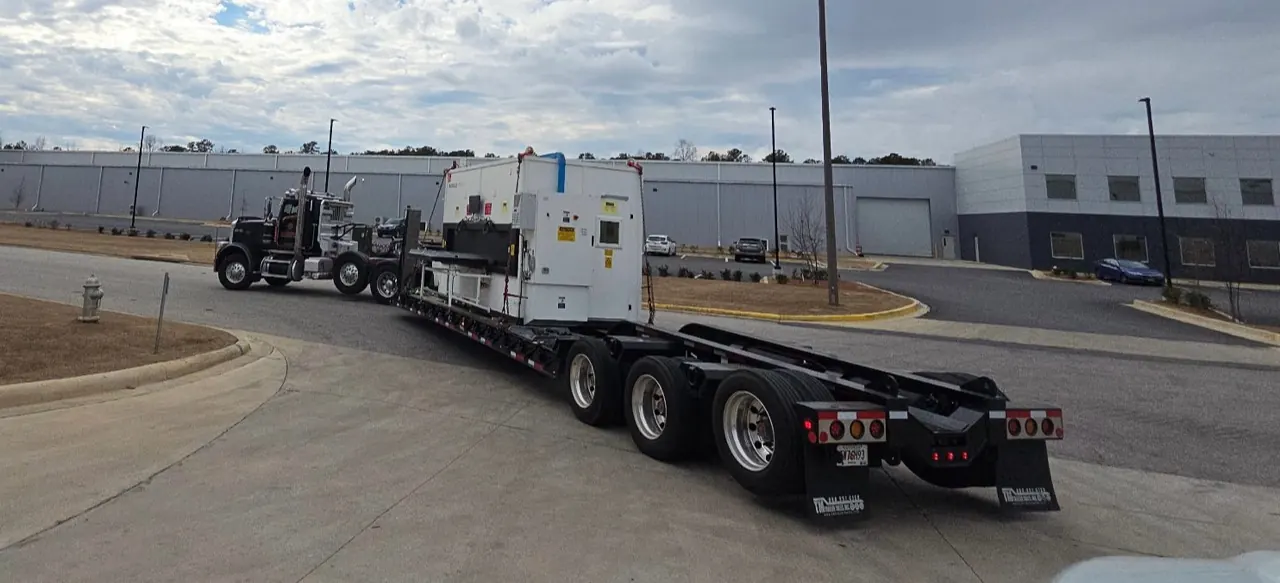
Pictured: one load of a production line in transit to its new plant.
What a turnkey plant relocation includes.
One contractor responsible for the move and the reinstallation, from the first disconnect to the first good part at the new site.
- Planning, survey & sequencing
- 3D model of the move in Build_it
- Decommissioning & utility disconnects
- Match-marking & documentation
- Rigging & dismantling
- Crating, including ISPM-15 export crates
- Transportation, coordinated
- Warehousing, storage & laydown
- Foundations & anchor patterns at the new site
- Rig-in, setting, leveling & alignment
- Piping, power & controls reconnection
- Startup support
Millwrights, riggers, welders, pipefitters and electricians are on Accuwright’s own payroll, and our crews self-perform the core work. The crew that takes a machine down is the crew that sets, levels, aligns, pipes and wires it at the new plant. You deal with one contract and one point of accountability instead of coordinating a mover, a millwright, a pipefitter and an electrician yourself.
Representative, not exhaustive. A relocation scope is built around your line.
How a plant relocation runs.
- Survey and plan. We walk both buildings, build the machine list with weights and dimensions, and set the move sequence from the date production has to restart.
- Decommission and match-mark. Lines are shut down in order. Our electricians and pipefitters disconnect the utilities. Every connection is match-marked and documented so the line goes back together the way it came apart. Controls demolition and rewiring on relocations is our own trade.
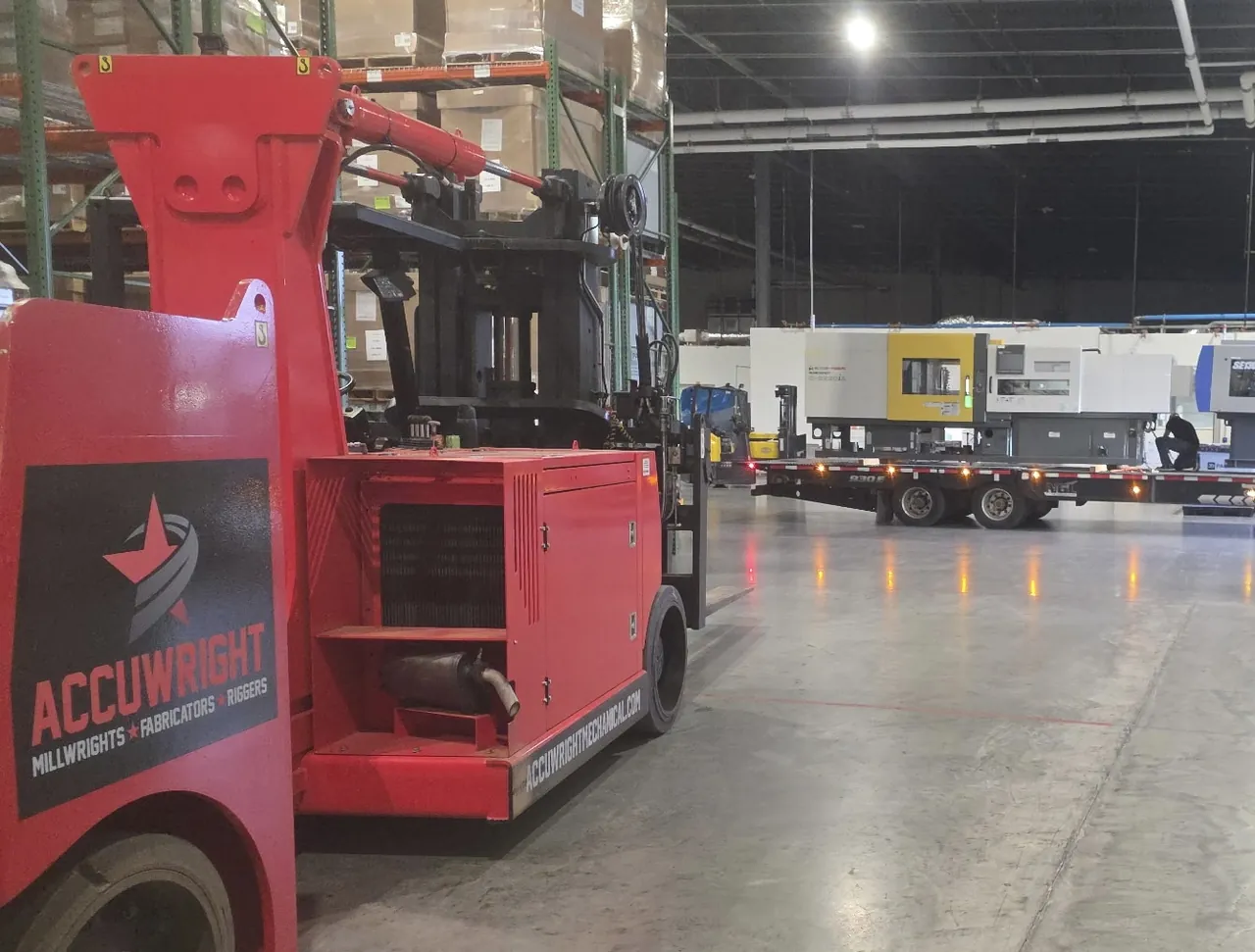
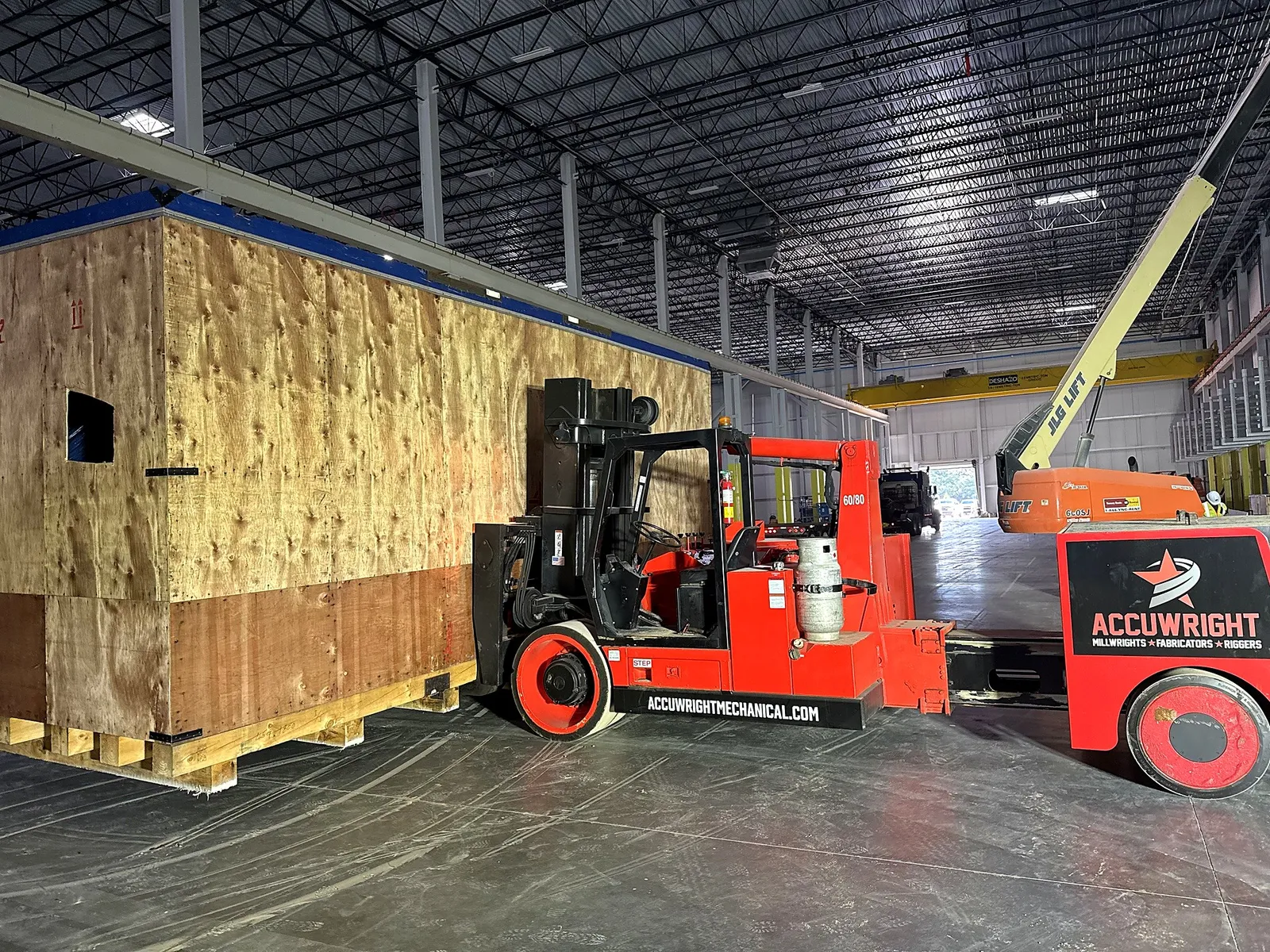
- Rig out, crate and load. Machines up to 118,000 lb move by single-lift pick-and-carry. Heavier pieces ride engineered rigging systems rated past 400,000 lb. Export crates are built and ISPM-15 stamped in-house, and every piece is logged against the machine list.
- Transport and storage. Routes, permits and delivery windows are coordinated against the reinstall sequence. If the new floor is not ready, equipment goes into dry indoor storage or secure outdoor laydown, received on our own equipment.
- Rig in, reconnect and start up. The same millwrights set, shim, level and align each machine. The same trades that disconnected it pipe and wire it back. The line starts up on the schedule the production plan set.
The new building has to be ready first.
The most common reason a plant relocation runs late is that the new building is not ready when the equipment arrives.
Foundations still curing, anchor bolts in the wrong place, a floor that cannot carry the load, or a power drop that has not been run will hold a machine on the dock while the schedule slips. We prepare the destination with our own crews before the first truck leaves the old plant:
- Floor loading checked against machine weights
- Machine foundations & pits formed and built to plan
- Anchor bolt patterns laid out and set
- Power, panels & controls by our electricians
- Process, utility & sanitary piping by our pipefitters
- Platforms, guarding & supports fabricated in our shop
Because the same company does the site work and the move, the foundations, utilities and machine arrivals are on one schedule. See industrial mechanical, electrical and fabrication.
Out of the old building before the new one is ready.
Leases end and buyers take possession on their own schedule. The new building is not always ready on the same day.
We can take the plant out on your move-out date and hold it until the new floor is ready. We have nearly 400,000 square feet of dry storage, plus secure outdoor laydown. Unlike a traditional warehouse, we can take heavy-weight goods: the same equipment that moves your machine unloads it, stores it and delivers it.
- Short- or long-term storage between decommission and reinstall
- Every piece logged against the machine list
- Crated or wrapped for storage, including ISPM-15 export crates
- Redelivered in install order as each area of the new floor is ready
Because equipment comes back in the order the line goes back together, storage does not create a second sorting job at the new plant. See heavy equipment storage.
See the move before it happens.
Before the first machine is disconnected, we can build the reinstallation at the new plant as a 3D model in Build_it, our own planning tool.
Every piece on the machine list is modeled from the drawings and packing lists, weighed, and set in install order. The model checks headroom and path clearance for every pick, confirms that every piece sits on something, and shows where the drawings disagree, so those questions are answered before the move instead of during it.
The result is a week-by-week sequence of the job: which loads arrive each day, what is staged, what is set, which crew is working and what equipment it is using. The owner, the project manager and the superintendent open the same link in a browser and step through the move. No software or account is needed.
- Every load received, staged & set in order
- Headroom & path clearance for every pick
- Drawing conflicts found as RFIs before the job
- Exports for AutoCAD, Inventor & any CAD that reads STEP
See a real Build_it model (customer and site withheld).
Keeping production running during the move.
Most manufacturers cannot stop shipping for the length of a move. We plan the sequence backward from the restart date: which lines must run first, which machines travel together, what goes to storage and what goes straight to its foundation. A line keeps producing at the old site while its new footprint is prepared, so downtime is a planned window for each line instead of a shutdown of the whole plant.
The same approach applies to a multi-site consolidation, where lines from two or more plants move into one building on a single schedule.
Relocation customers care most about one line on our record: never missed a startup in 25 years.
Machinery and equipment relocation, at any size.
Not every relocation is a whole plant. Many are one machine or one line.
Machinery relocation and industrial equipment relocation follow the same sequence, scaled to the job: a press going to a sister plant, a cell moving to a new building, or a line moving to a new footprint inside the same walls. Heavy machinery and heavy equipment relocation get the same match-marking, the same rigging plan and the same millwrights at the other end as a full plant move. If the job is one machine with no reconnection, our machinery movers and riggers page is the closer fit. If it has to run at the other end, it belongs here.
Plant decommissioning and dismantling.
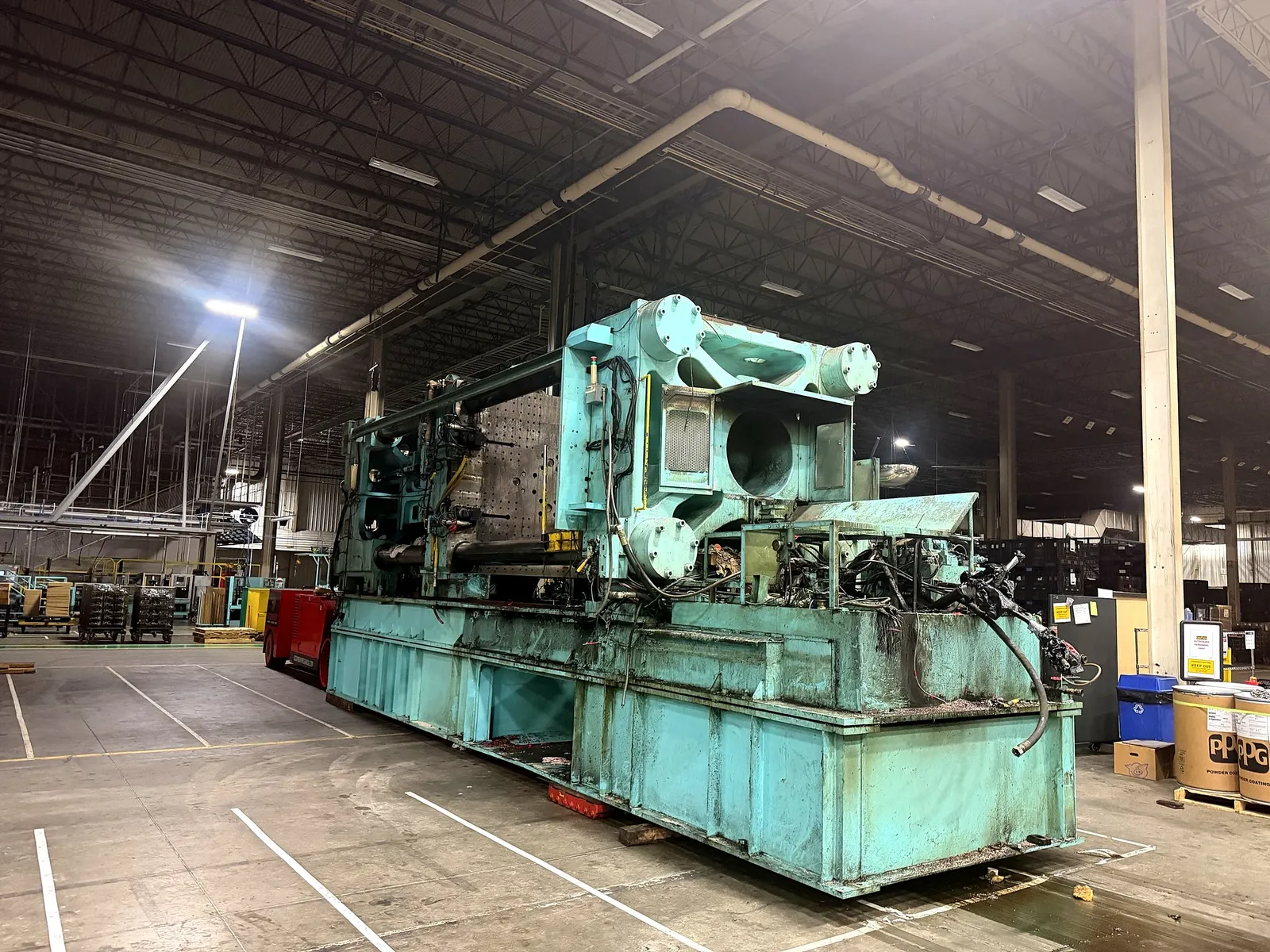
When a plant closes or a line is retired, the equipment still has to come out safely and in a condition someone can use. Lines are shut down in order. Our electricians and pipefitters disconnect and make safe the utilities. Machines are dismantled, match-marked and documented, then crated for sale, storage or export.
The floor is handed back clean, and the next owner of the equipment can reassemble it from our documentation. Decommissioning can stand on its own or be the first half of a relocation.
What to ask a plant relocation contractor.
If you are building a shortlist or writing an RFP, these questions separate a full-scope relocation contractor from a mover. Our answers follow each one.
- Who does the work? Ask which trades are on the contractor’s own payroll and which are subcontracted. Ours: millwrights, riggers, welders, pipefitters and electricians are on our payroll, and our crews self-perform the core work.
- What is the startup record? A relocation is judged by the restart at the new site. Ours: never missed a startup in 25 years.
- Who prepares the new building? Foundations, anchor patterns, power and piping decide whether equipment can be set when it arrives. Ours: we form and build foundations and do the electrical and piping ourselves.
- Can they show you the plan? Ask to see the install sequence before you sign. Ours: a 3D Build_it model of the job, stepped through week by week from one browser link.
- How is reassembly kept accurate? Ask how connections are match-marked and documented at teardown. Ours: every connection is match-marked and documented, and every piece is logged against the machine list.
- What happens if the new site is late? Ours: nearly 400,000 square feet of dry storage plus secure outdoor laydown, received on our own equipment and delivered back in install order as the floor is ready.
- What is the safety record? Ours: EMR 0.72 on the NCCI interstate rating, and zero OSHA recordables in 2022, 2023, 2024, 2025 and 2026 to date.
- Can they cross borders? Ours: coast to coast and from Mexico to Canada, plus international dismantle, export crating and container loading.
- Can they show insurance and prequalification? Ours: Avetta and ISNetworld registered, with certificates of insurance available on request.
Industries we work in.
More than 900 industrial customers in over 40 US states and internationally, including these manufacturers, among others:
- Automotive & aerospace: Hyundai Motor Manufacturing Alabama, Magna, Pratt & Whitney, Goodyear
- Food & consumer: PepsiCo, Kellogg’s, Purina, Duracell
- Packaging & paper: International Paper, Amcor, Berry Global, Mondi
- Chemicals, materials & industrial: BASF, PPG, DuPont, Owens Corning, Nucor, Siemens
- Plastics & building products: ENGEL, Masonite, Victaulic, Johns Manville
Each industry adds its own requirements to a relocation. Food and consumer plants need sanitary piping reconnected to standard. Plastics plants move injection molding machines with their robots and auxiliaries. Automotive and metal-forming plants move presses and complete lines. The relocation sequence stays the same.
A plant relocation in pictures.
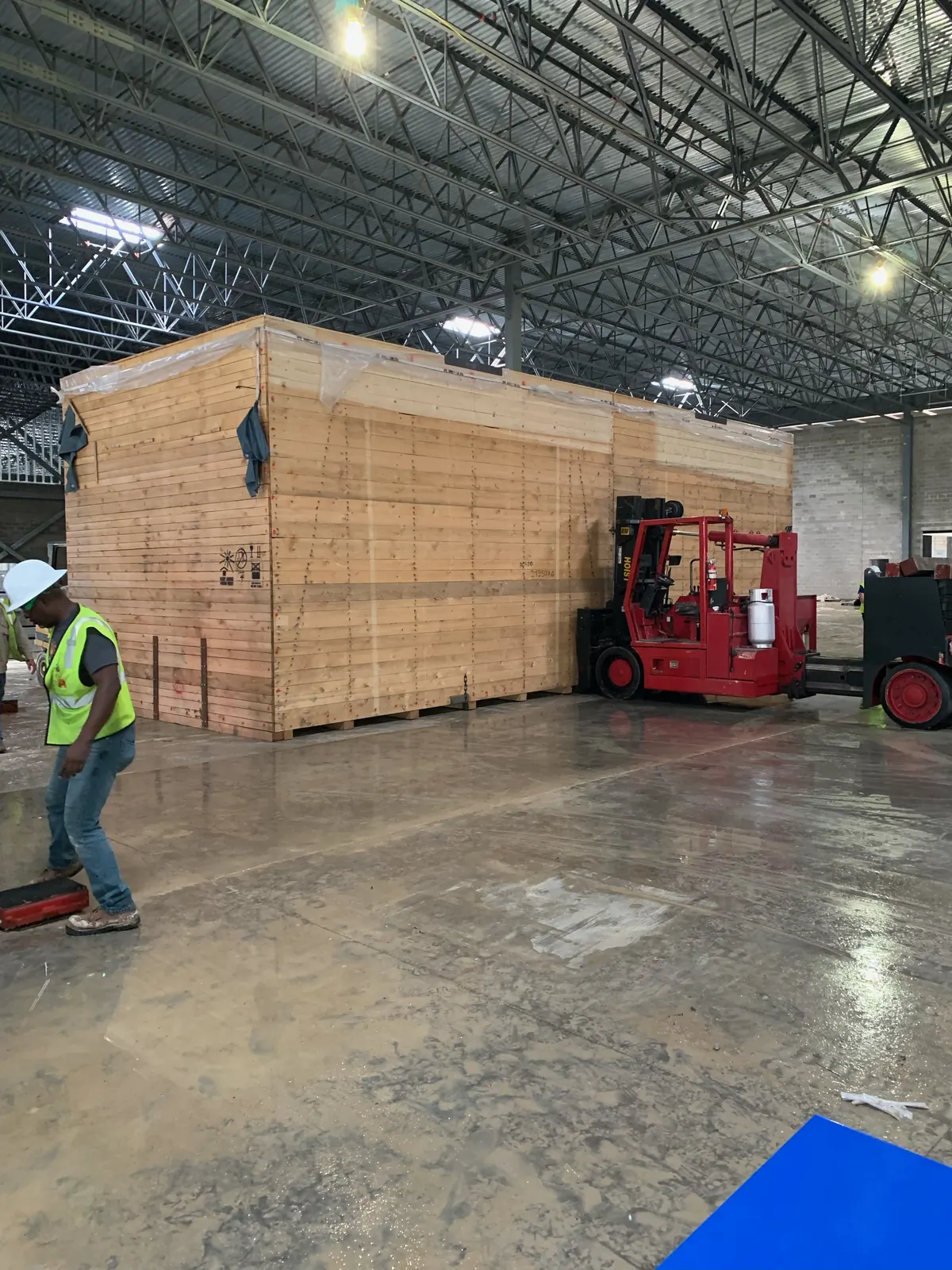
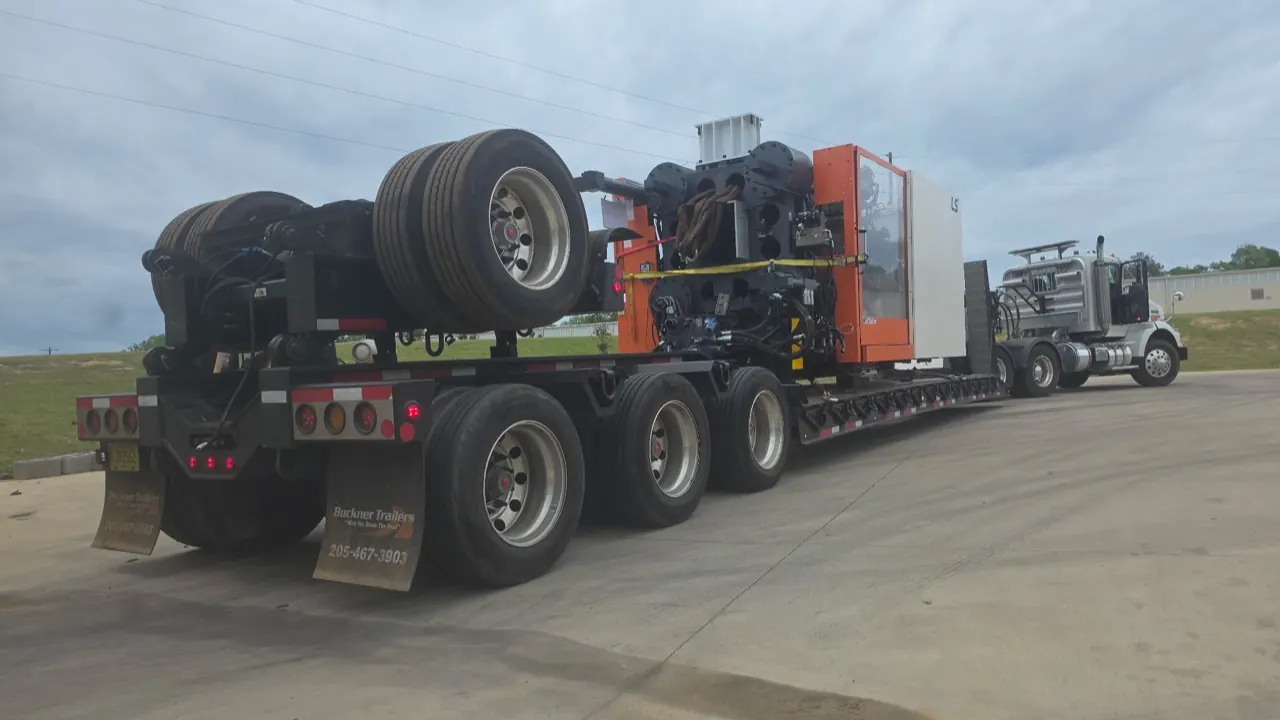
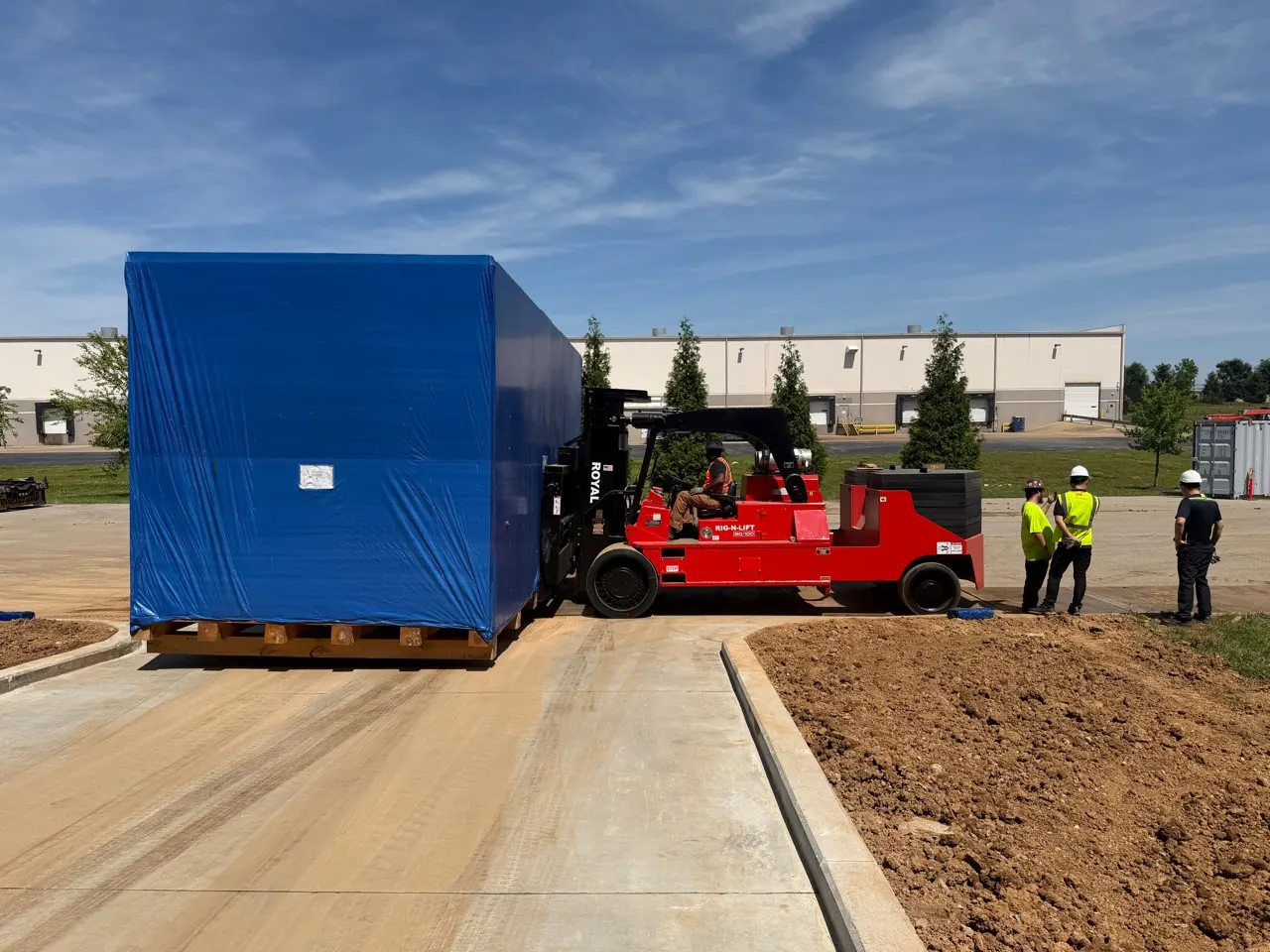
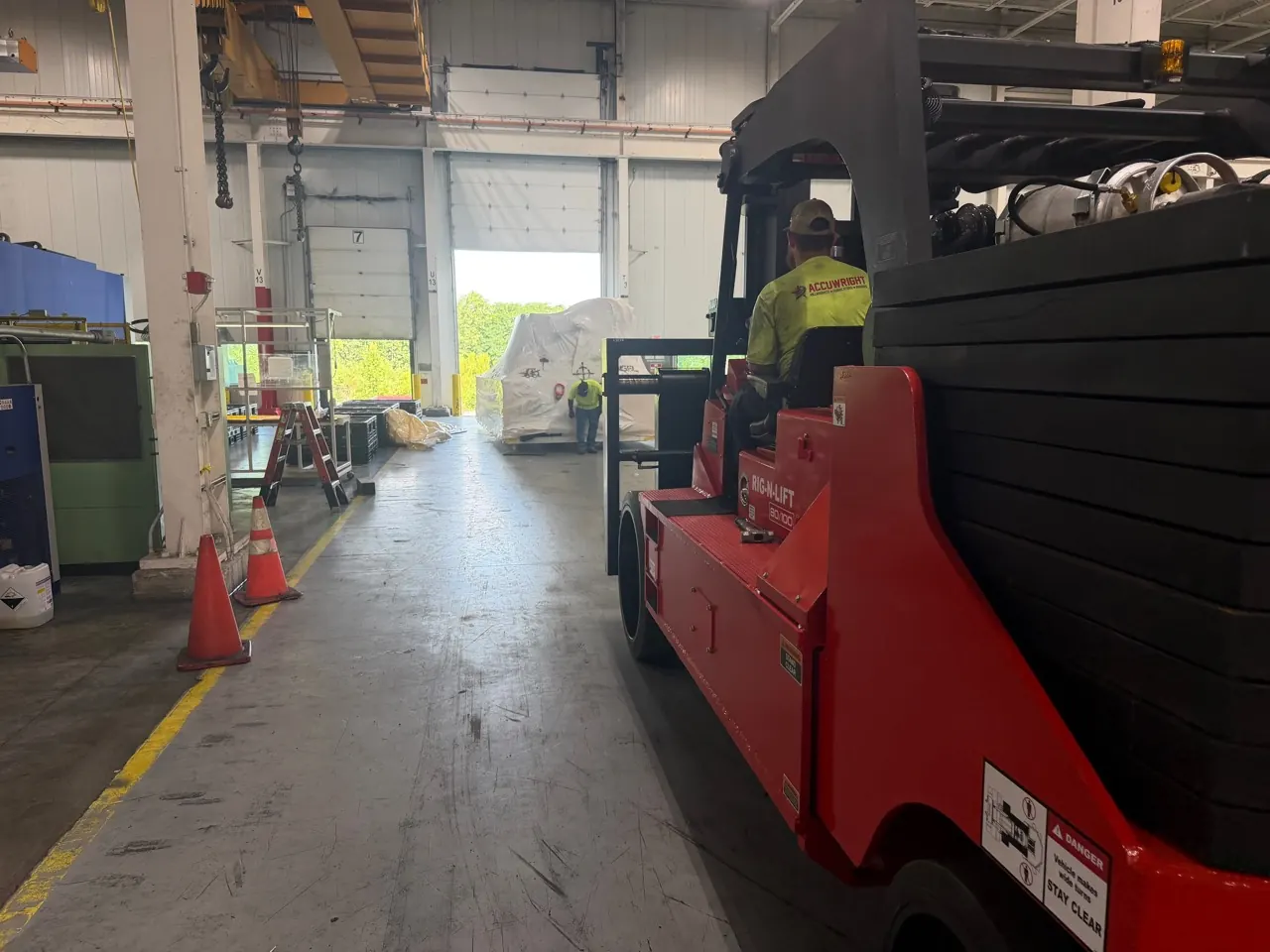
Industrial plant relocation, coast to coast and across borders.
Our home ground is the Southern Industrial Corridor, South Carolina to Texas, run from two shops in Greenville, Georgia and Fort Worth, Texas. Beyond it, our crews, machines and lowboys travel coast to coast and from Mexico to Canada. When we quote the North, the Northeast and the West Coast, we win work.
For moves that cross a border, we handle international dismantle, export crating and container loading. Crates are built and stamped in-house under our ISPM-15 certification, and machines are wrapped and loaded for ocean or air freight.
Tell us about the move.
Send the machine list, weights, both addresses and the window you have to work in. Whatever you know today is enough to start. Someone who has moved plants contacts you the same day and tells you up front whether yours is a quote of days or of weeks.
"*" indicates required fields
Rather talk it through? Call 877-898-4377 and ask for the planning team. Related: machinery movers & riggers · rigging · heavy equipment storage · millwrights
Manufacturing plant relocation, explained.
Do you handle the whole relocation or just the rigging?
The whole scope, under one contract: decommissioning, dismantling, match-marking, crating, transport, storage, reinstallation, leveling, reconnection and startup support. Riggers, millwrights, pipefitters and electricians are on Accuwright’s own payroll, and our crews self-perform the core work.
What should I look for in a factory relocation company?
The startup record first, because a relocation is judged by the restart at the new site. Ours is never missed a startup in 25 years. Then who does the work: a contractor that self-performs rigging, millwright work, pipefitting and electrical owns the whole schedule, while one that subcontracts those trades manages the handoffs between them. Then the safety record your procurement team will check: EMR 0.72 on the NCCI interstate rating and zero OSHA recordables in 2022, 2023, 2024, 2025 and 2026 to date.
Can you relocate a single production line instead of a whole plant?
Yes. Production line relocation is the most common version of this work: the line comes down, machines go out in sequence, and the line is set up and running at the destination. The same planning applies at any size, down to a single machine.
How long does a plant relocation take?
It depends on the machine count, the distance, how much disconnection and reconnection the scope includes, and whether the new building is ready. We set the schedule after the survey and build it backward from the date production has to restart.
Can we keep producing while the plant moves?
Usually, yes. We move lines in an order that keeps the old site producing while the new footprint is prepared. Downtime becomes a planned window for each line instead of a shutdown of the whole plant.
Do you handle multi-site consolidations?
Yes. Consolidating two or more plants into one building is the same work on one schedule: each line is decommissioned, moved and reinstalled in the order the consolidated plant needs it.
Can we see the plan before the move starts?
Yes. We can build the job as a 3D model in Build_it, our own planning tool, from your drawings and packing lists. Every piece is counted, weighed and set in install order, with headroom and clearance checked for every pick. You, your project manager and your superintendent step through it week by week from one browser link. See a real Build_it model.
Who prepares the new building?
We can. We form and build machine foundations and pits to plan, set anchor bolt patterns, and our electricians and pipefitters run the power, controls and piping the equipment needs, so the building is ready when the machines arrive.
What does a plant relocation cost?
It is priced from the machine list: count, weights and dimensions, distance, access at both ends, how much disconnection and reconnection the scope carries, and the window you have to work in. Send the list, even a partial one, and someone who prices these starts the number the same day and tells you whether yours is a quote of days or of weeks.
Who disconnects and reconnects the utilities?
Our own trades. Electricians handle power, controls demolition and rewiring on relocations. Pipefitters handle process and utility piping. Connections are match-marked at teardown, documented, and reconnected by the same people at the destination.
Are you insured for plant moves?
Yes. Certificates of insurance and full documentation are available on request. We are Avetta and ISNetworld registered, with an EMR of 0.72 on the NCCI interstate rating and zero OSHA recordables in 2022, 2023, 2024, 2025 and 2026 to date.
What about international and cross-border moves?
We handle international dismantle, export crating and container loading. Crates are built and stamped in-house under our ISPM-15 certification, and machines are wrapped and loaded for ocean or air freight. We work coast to coast and from Mexico to Canada.
We have to be out of the old building, but the new one isn’t ready. What happens to the equipment?
We store it. We have nearly 400,000 square feet of dry storage, plus secure outdoor laydown, and unlike a traditional warehouse we can take heavy-weight goods. The same equipment that moves your machines unloads them, stores them and delivers them back in install order as the new floor is ready. See heavy equipment storage.
Do you do plant decommissioning without a move?
Yes. Lines are shut down, machines are dismantled and crated for sale, storage or export, and the floor is handed back clean. The same match-marking applies, so the next owner of the equipment can reassemble it from our documentation.
How far will you travel for a relocation?
Wherever the plant is. Our home ground is the Southern Industrial Corridor from two shops in Georgia and Texas, and when we quote the North, the Northeast and the West Coast, we win work.