Millwright services
Millwrights finish the job a rigger starts.
Industrial millwright services on Accuwright’s own payroll — machinery installation, machine erection and assembly, precision leveling and alignment, anchoring and grouting, conveyor installation and production-line integration. The crew that sets the machine is the crew that makes it run, and it has never missed a startup in 25 years.
Tell us about the install Call 877-898-4377
Same-day pricing. Give us the details and you get a number back the same day, not in three to five business days.
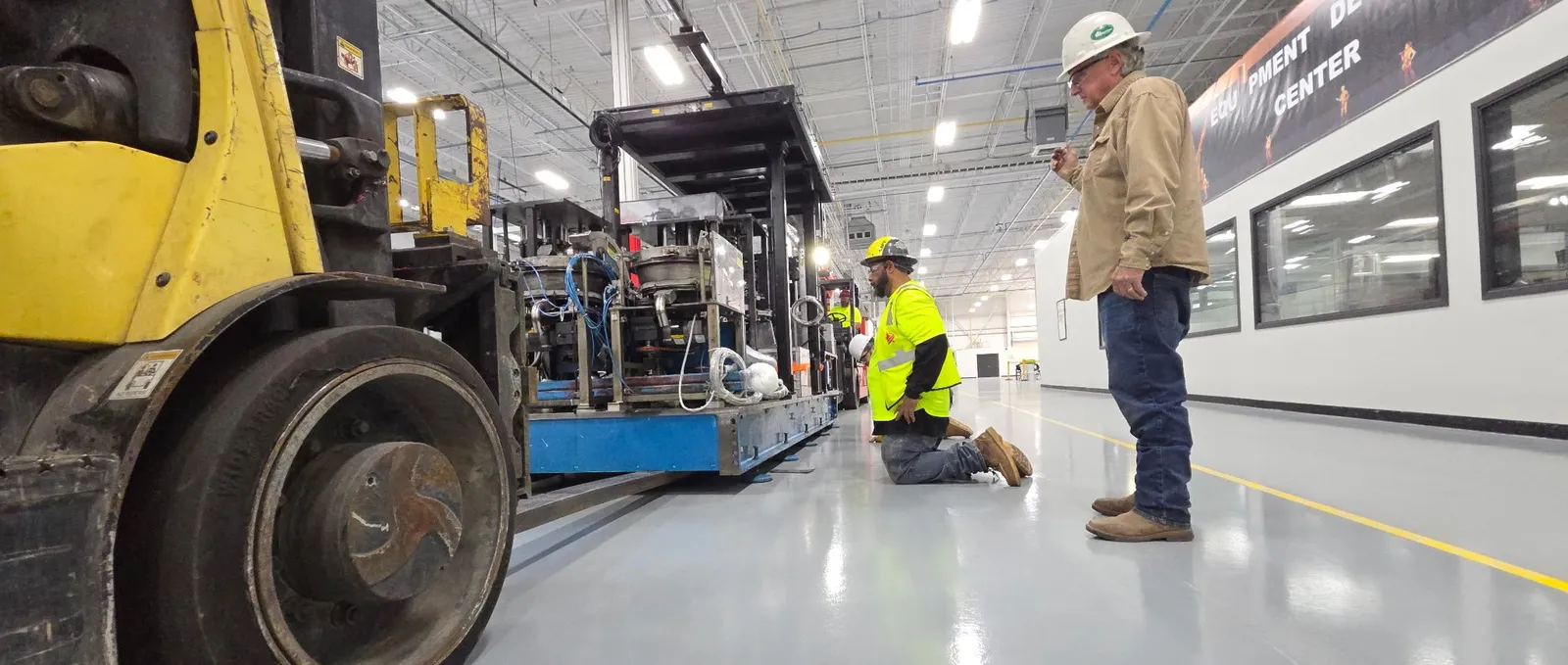
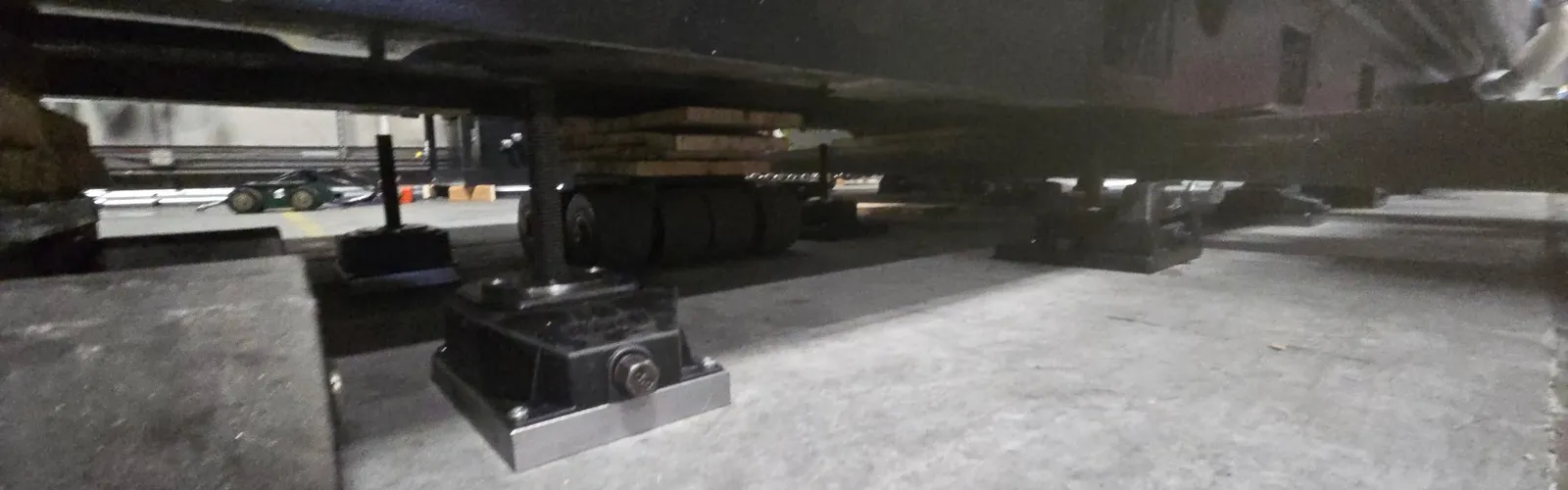
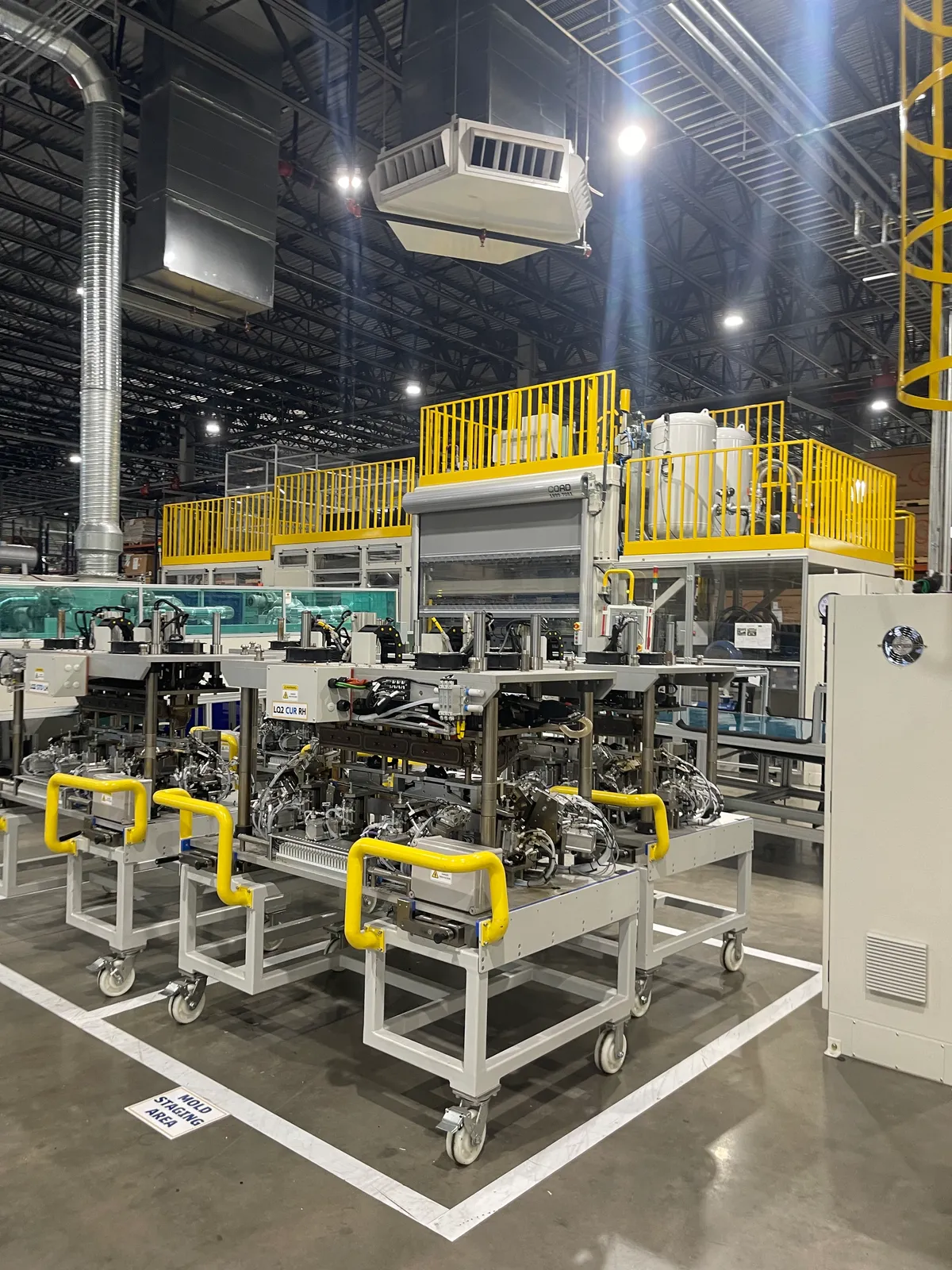
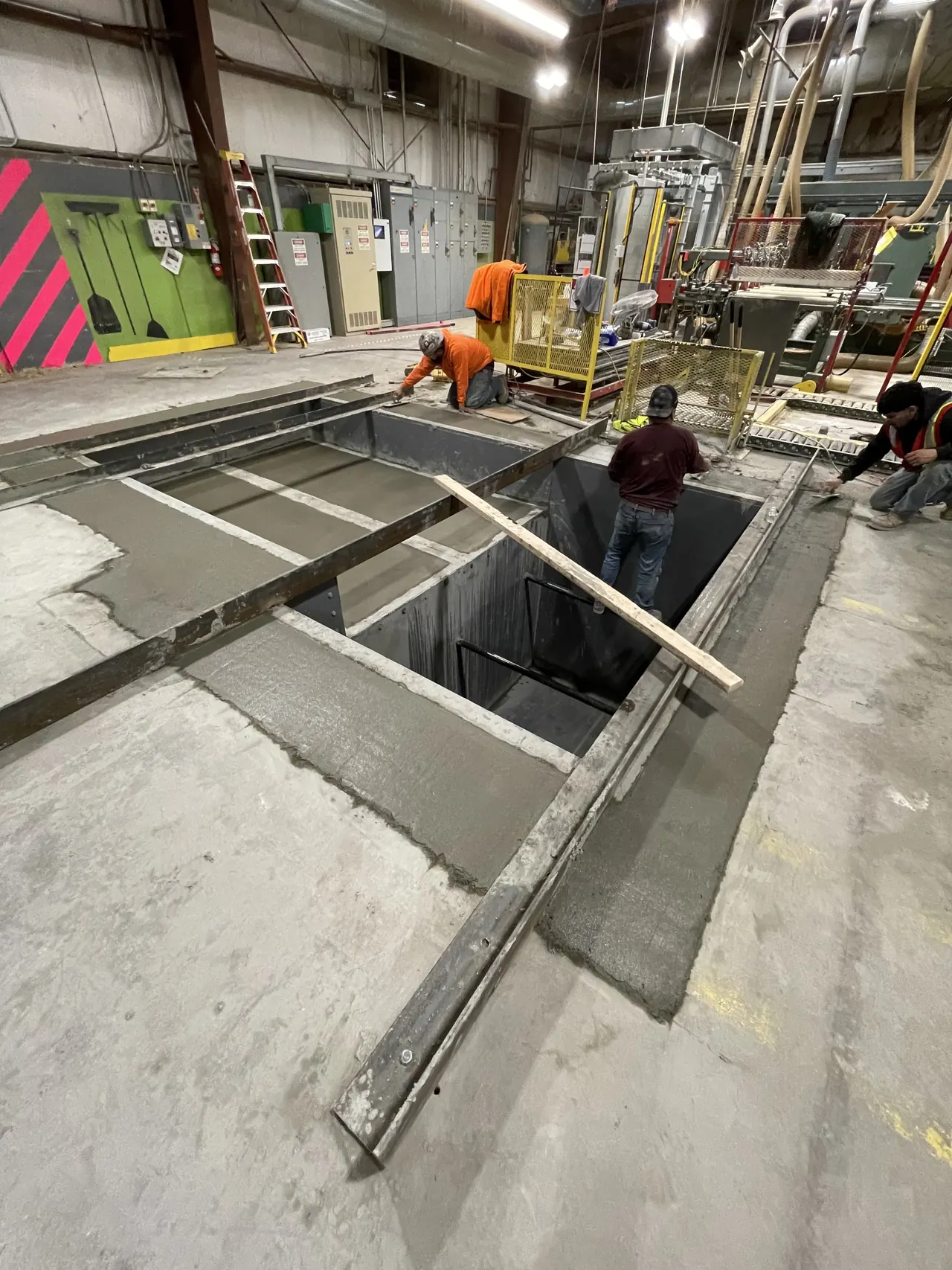
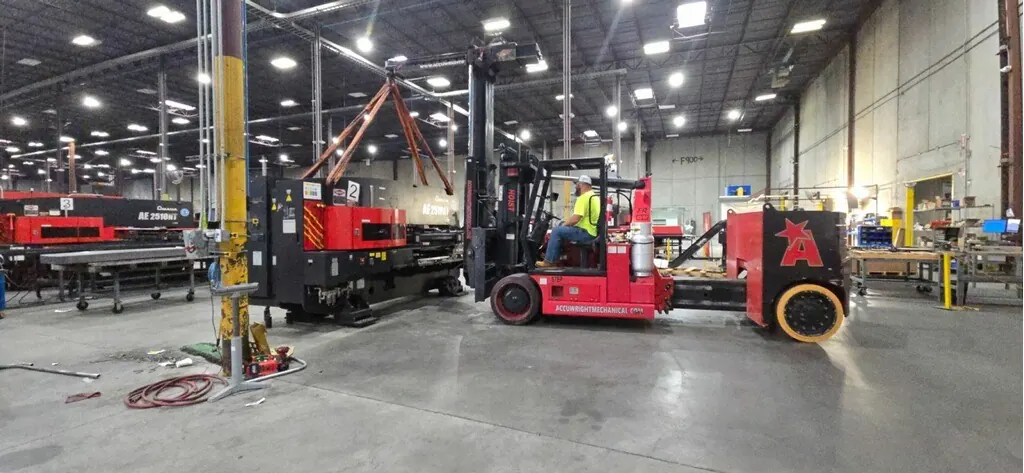
Pictured: install day — one crew from the truck to the startup.
What does a millwright do?
A millwright is the tradesperson who installs industrial machinery: setting it on its foundation, assembling it, leveling and aligning it to the builder’s tolerances, anchoring it so it stays there, and tying it into the production line around it. “Set in place” is where millwright work starts, not where it ends — between the truck leaving and the machine making parts sits the craft this page is about.
- Setting, erection & assembly. The machine is eased into position in thousandths, not dropped into place — then machines that ship in pieces are erected and assembled to the OEM manual by millwrights who have built that machine before. Torque specs, match marks and assembly sequence out of the book, because the book is what the warranty reads from.
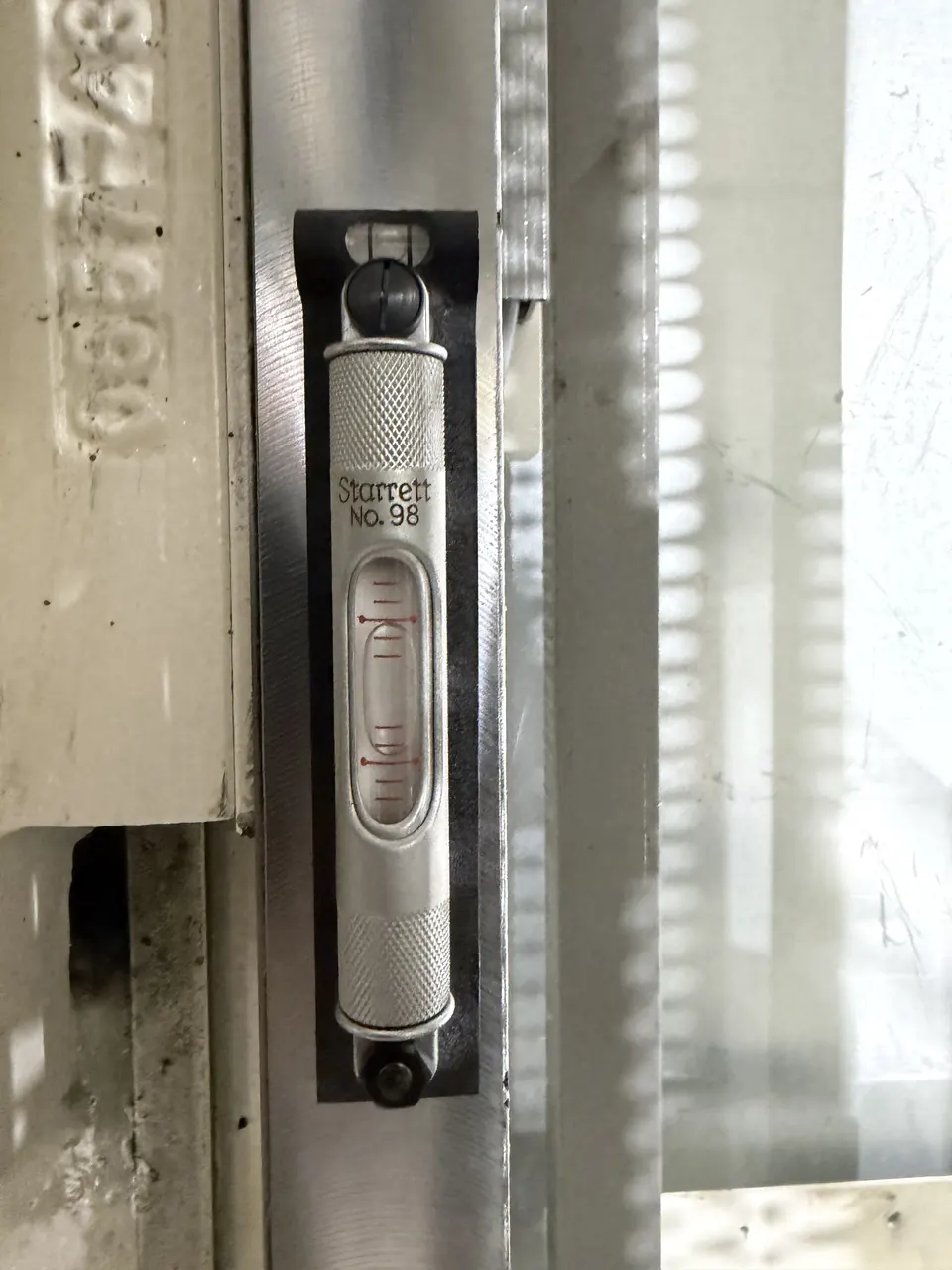
- Precision leveling & alignment. Level, square, plumb and aligned to the tolerances the manual demands — measured with precision instruments, not eyeballed. This is the discipline that separates a machine that runs for a decade from one that eats spindles, bearings and couplings.
- Anchoring & grouting. Anchor bolts set to the foundation plan, base and sole plates grouted, torque verified — the alignment you paid for locked in, so it is still there after ten thousand cycles.
- Conveyor installation & line integration. Conveyors, guarding, auxiliaries and material flow installed and connected so the machine joins the production system — and the same company self-performs the piping and utilities and industrial electrical behind it.
Precision leveling & alignment — the heart of the trade.
Machine leveling is not “close enough to flat.” A machining center that sits a few thousandths out of level wears its ways unevenly, throws its geometry, and starts scrapping parts long before anyone suspects the installation. A press out of parallel hammers its own tooling. A misaligned drive line eats couplings and bearings on a schedule you can set a calendar by.
Accuwright millwrights level and align to the tolerances the machine’s manual demands — and the job is done when the instrument says so, not when the schedule does. The kit is optical tooling and laser alignment: precision optical levels and theodolites to establish horizontal planes across vast distances, transits to project straight vertical lines and perfect 90-degree planes, laser trackers — portable CMMs — for large-scale 3D inspection and aerospace-grade alignment, and master precision levels reading down to 0.0005 inches per foot for leveling machine beds. Among more. That standard is why machine builders send us their own installations, and why the machines we set stay set.
- Machinery leveling to OEM tolerance
- Laser alignment & laser tracker (portable CMM) work
- Optical tooling — levels, theodolites & transits
- Squareness, flatness & parallelism checks
- Alignment verification after grouting & torque
Representative, not exhaustive — if it has to hold a tolerance on a plant floor, ask.
Anchor bolts, grout, and a foundation that holds.
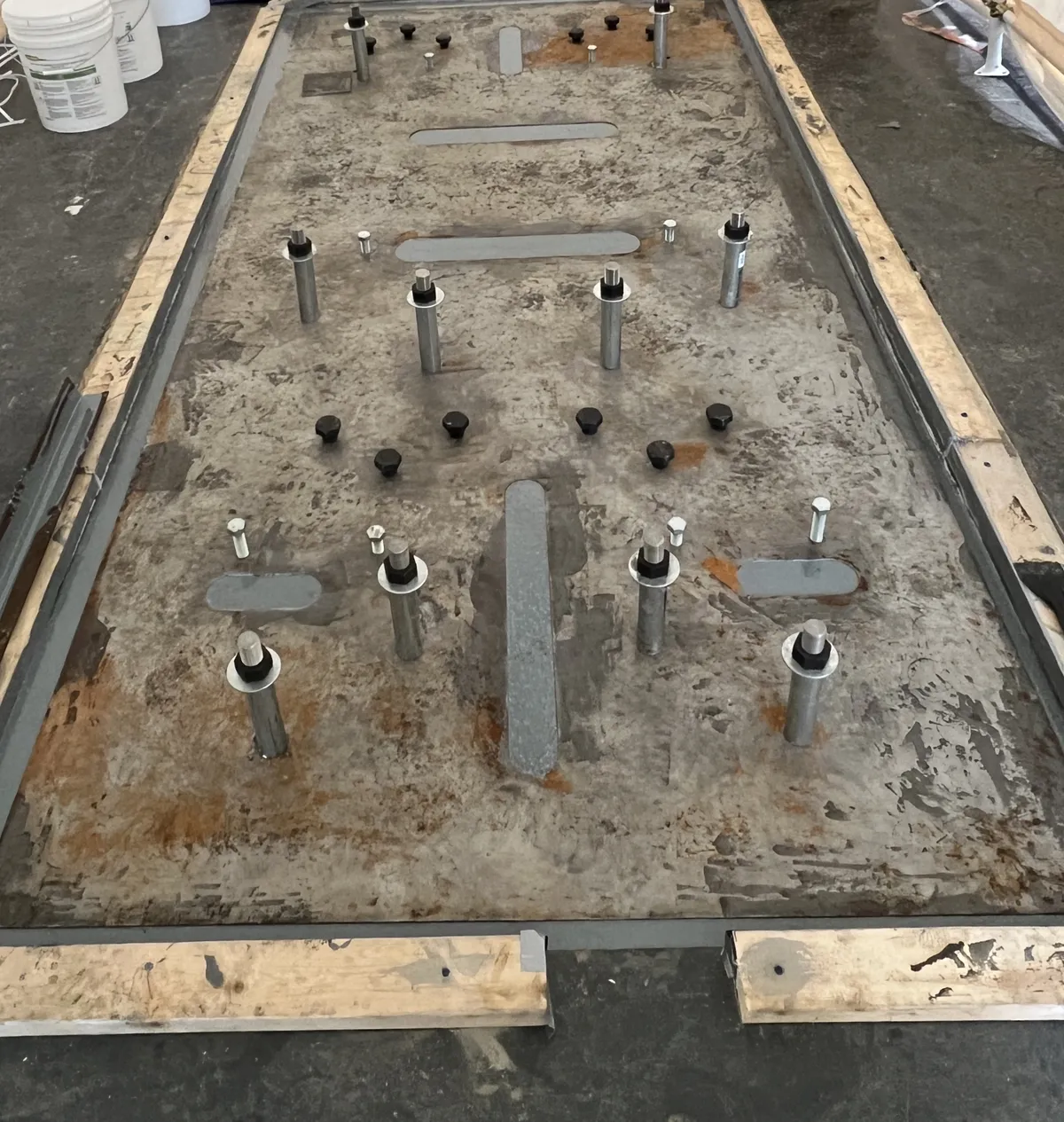
Alignment is only worth what holds it. Anchor bolt installation starts from the foundation plan: bolt patterns laid out and set to the print, base and sole plates leveled, and the machine grouted so the load path runs solid from the casting to the concrete. Then heavy anchor bolts are brought to exact specification with torque multipliers and every anchor is torque-verified — because a machine that walks, rocks or settles takes its alignment with it.
We form and build machine foundations and pits to the plan, set embeds and anchor systems, and grout to the machine builder’s specification. When the startup tech checks level a year later, it reads the way we left it.
- Anchor bolt layout & installation
- Machine grouting — base & sole plates
- Foundations & pits formed and built to plan
- Torque verification & documentation
Machinery installation the machine builders trust.
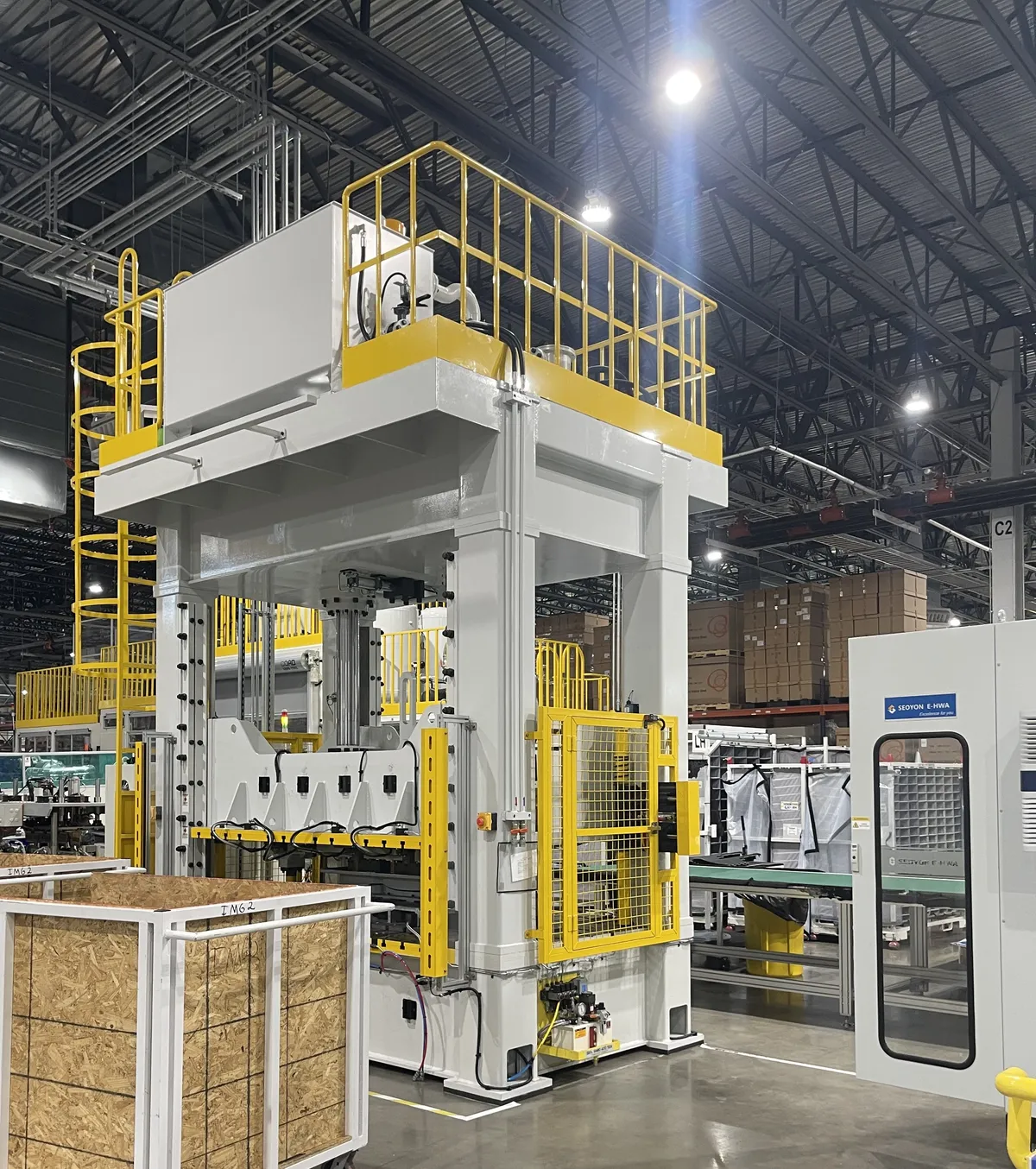
Accuwright is a certified installer for equipment including ENGEL, LS, Woojin, Arburg, Amada, JSW, Trumpf, Okamoto, MultiCam and Stamtec — among many others. When the OEM trusts a contractor to install their machine under warranty, the manual gets followed, the tolerances get hit, and the startup tech signs off without a punch list.
Injection molding machine installation is a core Accuwright service line — we build ENGEL, LS, Woojin, Milacron, Arburg and JSW machines among others, and some months our crews build ten of them. CNC machine installation and injection molding machine installation each have their own page; everything else that arrives on a truck in pieces lands here.
- Machine erection & assembly
- Production line installation & integration
- Conveyor installation
- Relocation teardown & reinstallation
Representative, not exhaustive.
One millwright crew from the truck to the startup.
Most installation problems live in the handoffs — the crew that moved the machine blames the crew that set it, the millwright blames the electrician, and the schedule eats the difference. Accuwright removes the handoffs: millwrights, riggers, welders, pipefitters and electricians are on Accuwright’s own payroll, and our crews self-perform the core work. The crew that lands the machine is the crew that levels it, aligns it, pipes it and wires it. Accuwright has done this for more than 900 industrial customers, in over 40 US states and internationally — working the Southern Industrial Corridor from South Carolina to Texas, and competitive coast to coast. One contract, one point of accountability, one startup date that holds.
The work in pictures.
Tell us about the install.
The machine, where it’s going, the timeline — the OEM manual if you have it, photos if you don’t. Same-day pricing: a number back the same day, not in three to five business days.
Rather talk it through? 877-898-4377 — ask for the planning team.
Millwright work, answered.
What is a millwright?
A millwright is a skilled tradesperson who installs, assembles, levels, aligns, anchors and integrates industrial machinery. The name comes from the craftsmen who built mills; the modern trade is precision machinery installation — reading the OEM manual, working in thousandths of an inch, and handing over a machine that runs. If your plant is getting a new machine, moving one, or fighting one that never ran right, a millwright is who you’re looking for.
What’s the difference between a millwright and a rigger?
The rigger moves the machine; the millwright makes it run. Rigging is the engineered lift that lands the machine on its foundation — millwright work is everything after: assembly, leveling, precision alignment, anchoring and integration. At Accuwright they’re the same crew on the same payroll, which is why nothing gets lost between the two.
What’s the difference between a millwright and an industrial mechanic?
They overlap, but the center of gravity differs: an industrial mechanic maintains and repairs machinery that’s already running; a millwright installs it — erection, leveling, alignment, anchoring — and holds the precision standards that installation demands. When a machine is new, moved, or being rebuilt into a line, the millwright’s discipline is what determines how it runs for the next decade.
Do you install machines under OEM warranty?
Yes — Accuwright is a certified installer for equipment including ENGEL, LS, Woojin, Arburg, Amada, JSW, Trumpf, Okamoto, MultiCam and Stamtec, among many others. Machine builders send their own installs to us, which is the strongest reference an installer can hold.
How precise is “precision alignment”?
As precise as the machine’s manual demands — that’s the only honest answer. Leveling and alignment are measured against the OEM’s stated tolerances with optical and laser instruments: master precision levels reading down to 0.0005 inches per foot, optical levels, theodolites and transits, and laser trackers for large-scale 3D work — among more. The job is done when the instrument says so, not when the schedule does. Then the grout and anchor torque lock the result in, and we verify it again after both.
Do you do laser alignment?
Yes — laser alignment is part of the standard kit: laser trackers, which are portable coordinate measuring machines, handle large-scale 3D inspection and aerospace-grade alignment on machine and line installations. They work alongside the optical tooling — levels, theodolites and transits — that establishes planes and squareness across a whole production line.
What does millwright work cost?
It depends on the machine, the site and the scope — which is why we price from your details rather than a rate card. Same-day pricing: give us the details and you get a number back the same day, not in three to five business days. Send the machine, the destination and the timeline through the form above and find out.
Do you install conveyors?
Yes — conveyor installation and production line installation are core millwright scope here: conveyors set, aligned and connected, guarding and auxiliaries mounted, and material flow tied into the machines it serves. One crew installs the machine and the line around it, so the interfaces actually meet.
Can you tear down, move and reinstall a machine?
That’s the heart of manufacturing plant relocation and single-machine moves alike: documented teardown, wrapped and hauled on our own equipment, then reassembled, aligned and started up at the new address — by the same crew, so the machine comes back up the way it came down.
Do you handle the utilities too, or just the machine?
Both — millwrights, pipefitters and electricians share one payroll here. Industrial mechanical & process piping covers air, water, hydraulics and process lines; industrial electrical covers power and controls. One contractor, no coordination gap.
Where do you work?
Two shops — Greenville, Georgia and Fort Worth, Texas — working the Southern Industrial Corridor from South Carolina to Texas, with reach coast to coast. Accuwright millwrights have installed machinery in over 40 US states and internationally, during business hours and planned around your production windows.