Sanitary stainless
- 304 and 316L stainless
- Orbital welds and tri-clamp connections
- 3-A where applicable
The system has to clean in place, with nowhere for product to hang up.
Process and utility piping
Process and utility piping installed inside running plants. One contractor for the rigging, the equipment setting, the millwright work and the pipe. Pipefitters and welders on Accuwright’s own payroll, spooled in our shop, pressure-tested and documented at turnover.
Request a Piping Quote Call 877-898-4377
Same-day pricing. Give us the details and you get a number back the same day, not in three to five business days.
We install process and utility piping from the header to the last tie-in at the equipment, including these systems. If it carries product, air or a utility through a plant, ask.
The system has to clean in place, with nowhere for product to hang up.
A steam outage can stop production, so tie-ins are planned around the plant schedule.
Thermal fluid runs hot and a leak is a fire risk, so the welds and the testing matter.
Cooling has to stay online in a mission-critical building, so tie-ins are planned around the load.
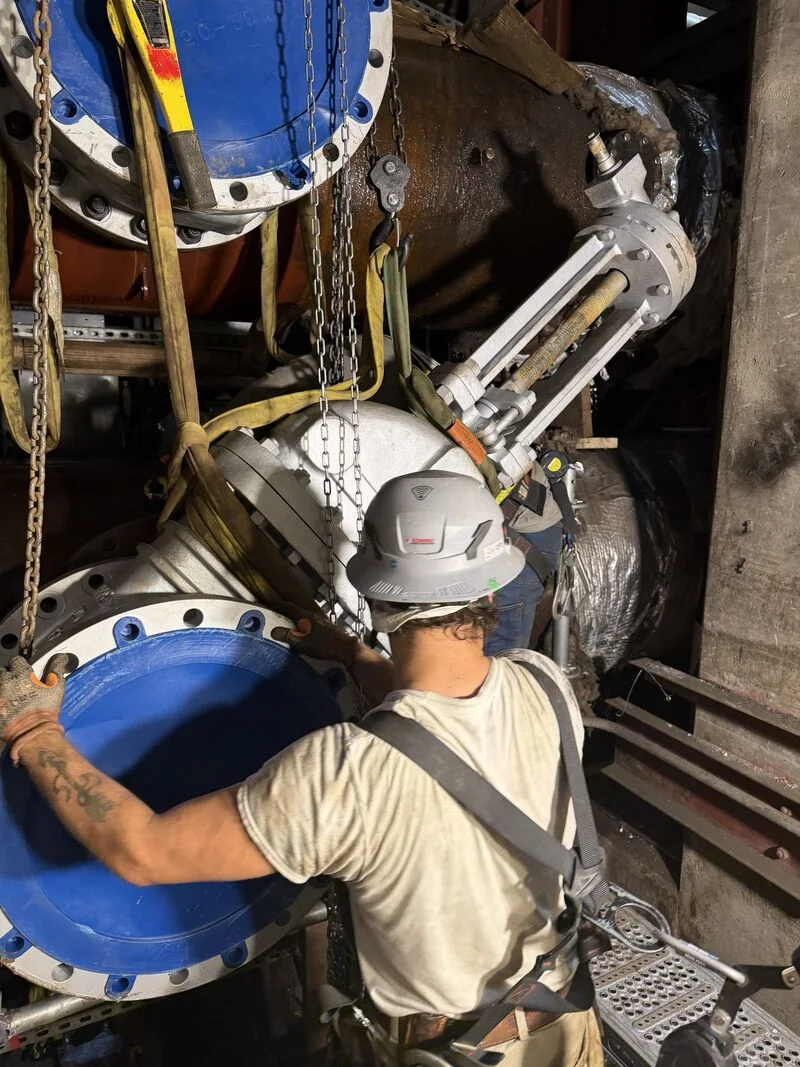
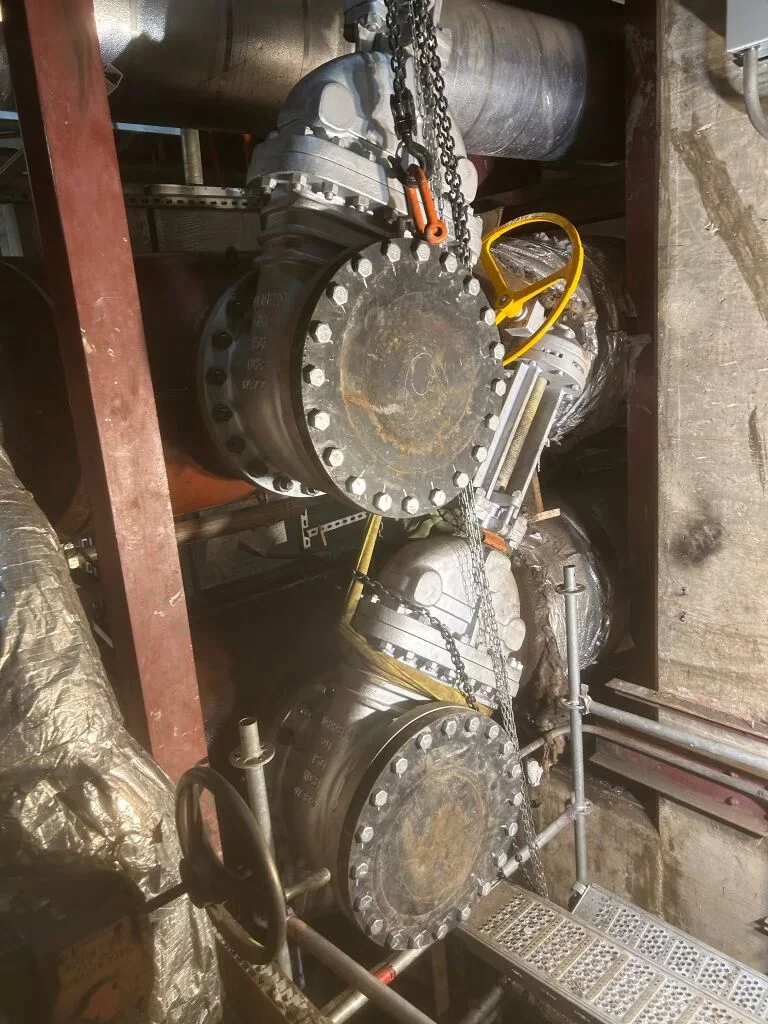
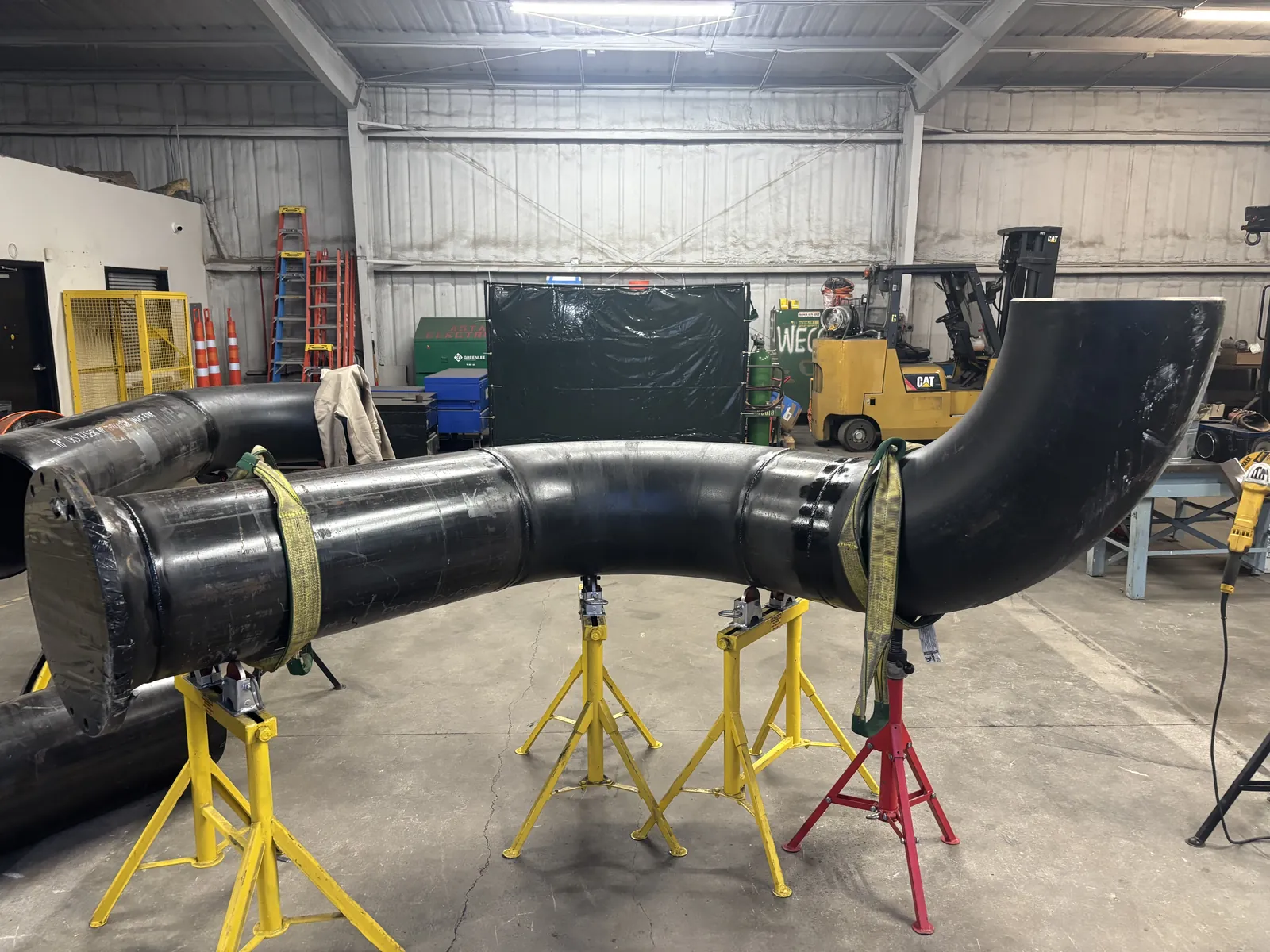
Large pipe has to be rigged into place. The same company handles the lift and the weld.
Spools are welded in the shop, which shortens the work on your floor.
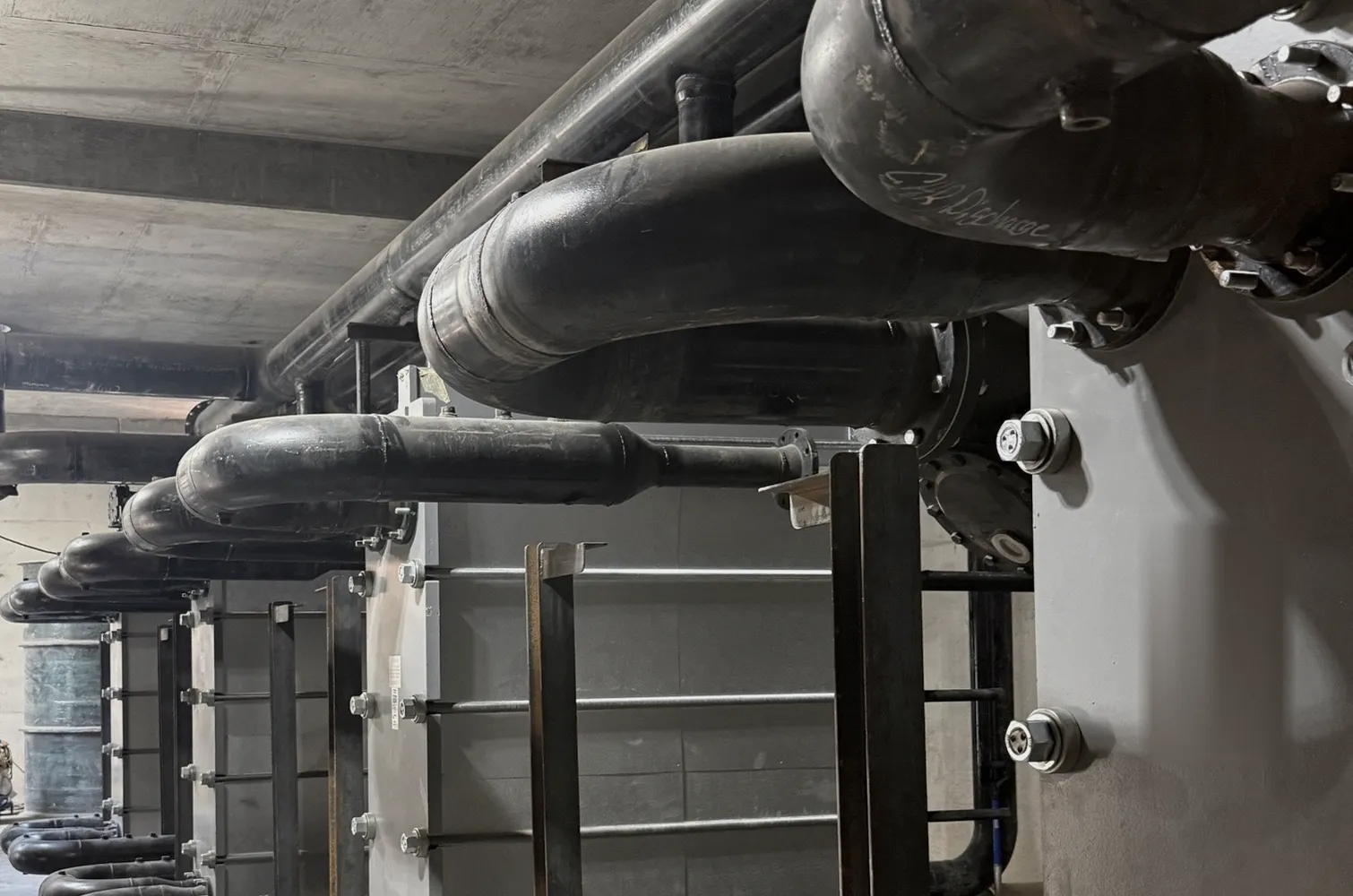
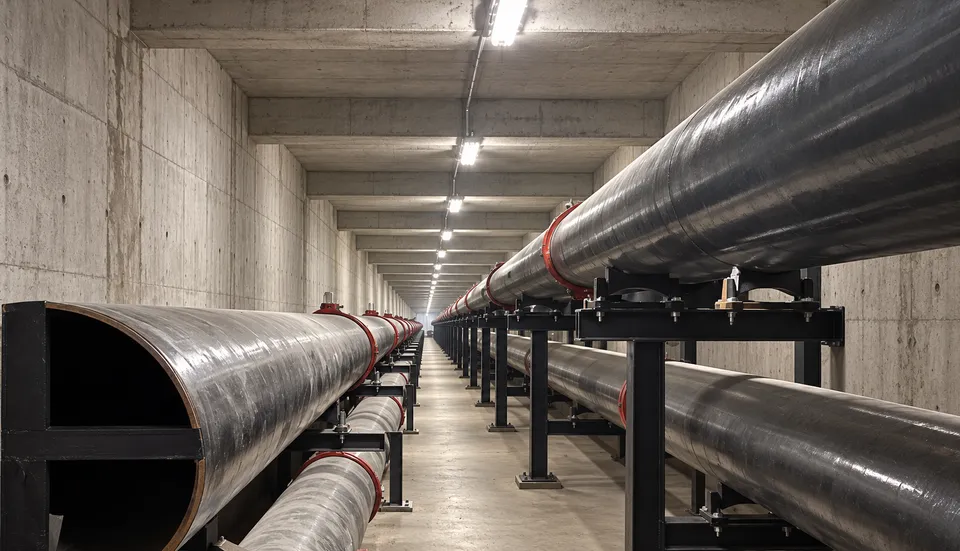
Mission-critical and infrastructure work means heat exchanger vaults, chilled and condenser water, and large-bore carbon steel in tight concrete spaces. Pipe that size has to be rigged into a vault or a tunnel before it can be welded, and Accuwright self-performs both.
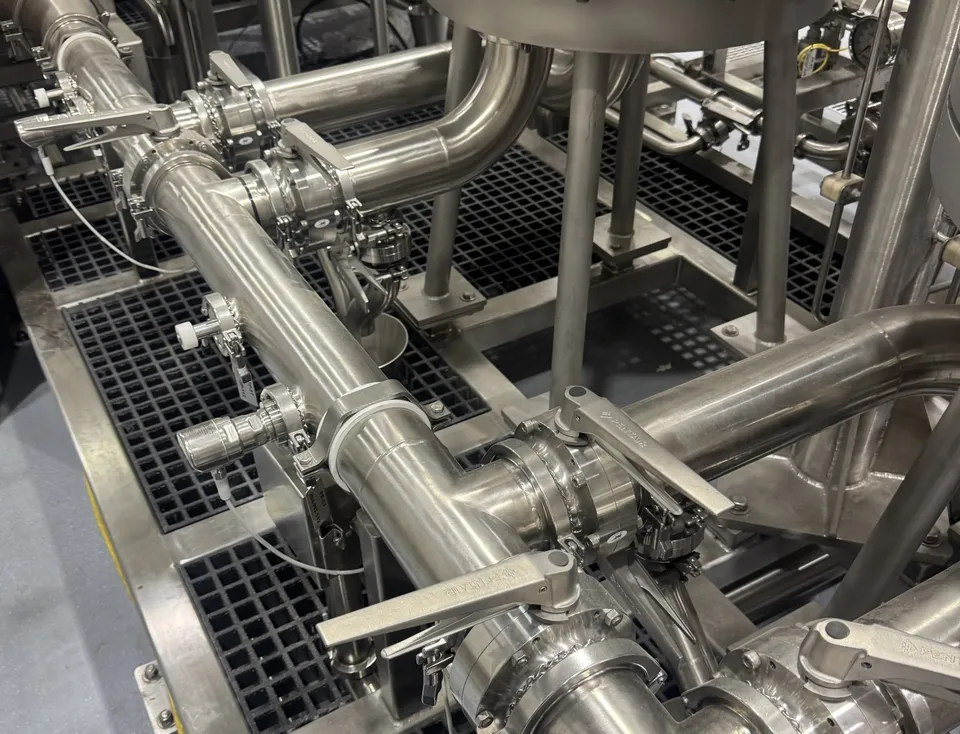
Sanitary piping is built for food, beverage and other clean processes, where the system has to be cleanable and free of places for product to hang up. Much of this work happens inside a running plant, so the install is planned around production.
High-purity process piping goes a step further, into cleanroom and fab environments where contamination has to be controlled.
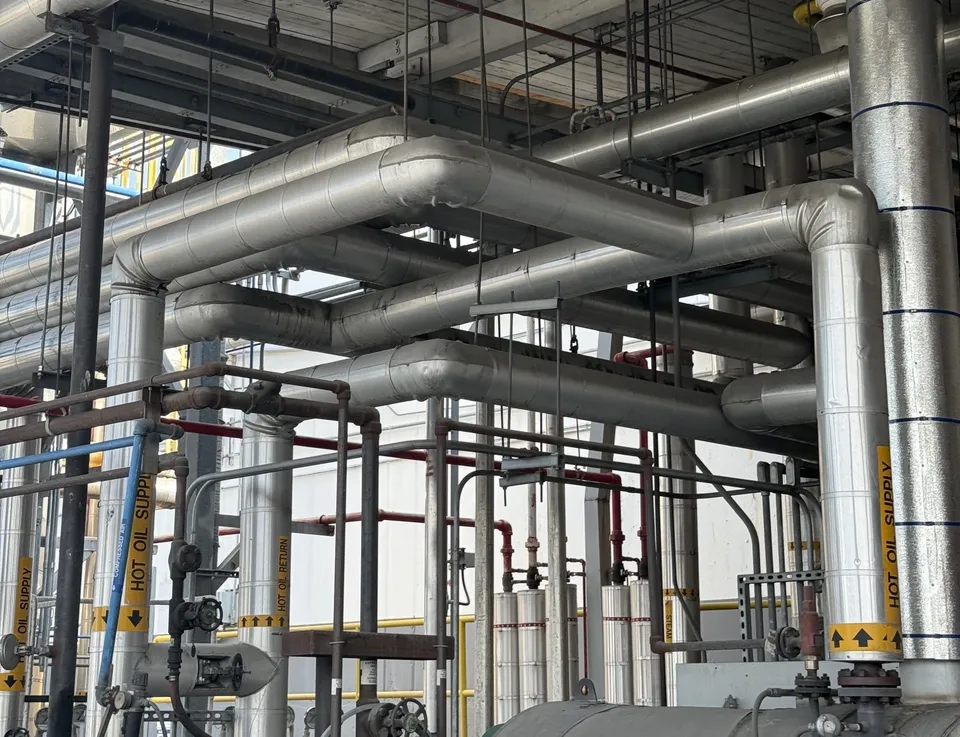
Steam and condensate, hot oil, compressed air and process water. Utility work usually ties into systems that are already in service, so the outage is short and the tie-in points are verified before it starts.
On most jobs the equipment setter and the pipe crew are two companies, and the schedule breaks at the handoff between them. At Accuwright there is no handoff.
Millwrights, riggers, welders, pipefitters and electricians are on Accuwright’s own payroll, and our crews self-perform the core work. The crew that lands the machine is the crew that levels it, aligns it, pipes it and wires it. One contract, one point of accountability.
Software built in-house
MEP_IT is Accuwright’s own piping tool, built by us for the way we install pipe. We do not know another contractor our size with tools like it.
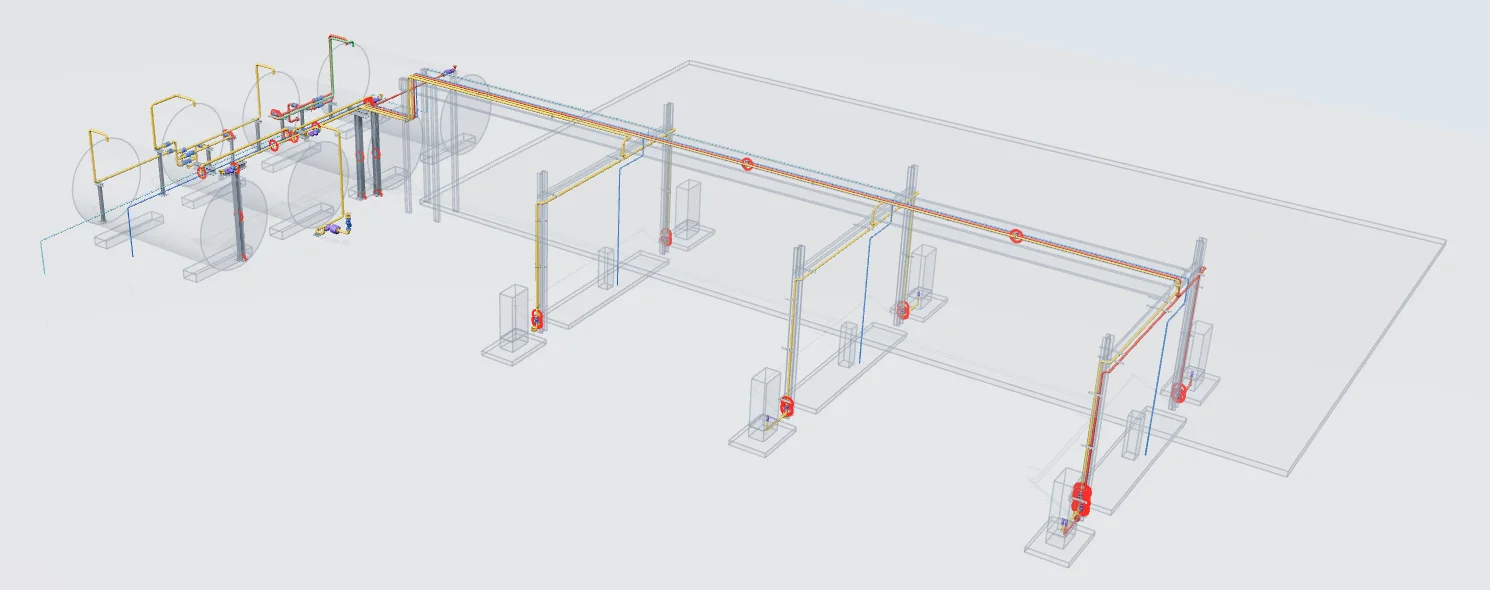
Pipe, fittings and flanges are modeled at their exact ASME and MSS dimensions, from a library where each value is checked against two published sources.
Routing subtracts the fitting take-outs, so each piece on the cut list is the length the shop actually cuts.
Every spool gets its own sheet with a bill of materials, a cut list and a weld map. Welder ID and heat numbers are filled in at closeout.
Where a length cannot be measured from the drawings, the tool places a field-fit weld on a straight run a fitter can reach and adds cut allowance to that one piece. The rest stays shop fabrication.
Flow from source to sink, dead legs, check valve direction, pump isolation, high-point vents, low-point drains and test package boundaries are all checked.
Footage, fittings, flanges, gaskets, bolt sets, welds and supports are compared to the takeoff, and every difference is listed and explained before the job is built.
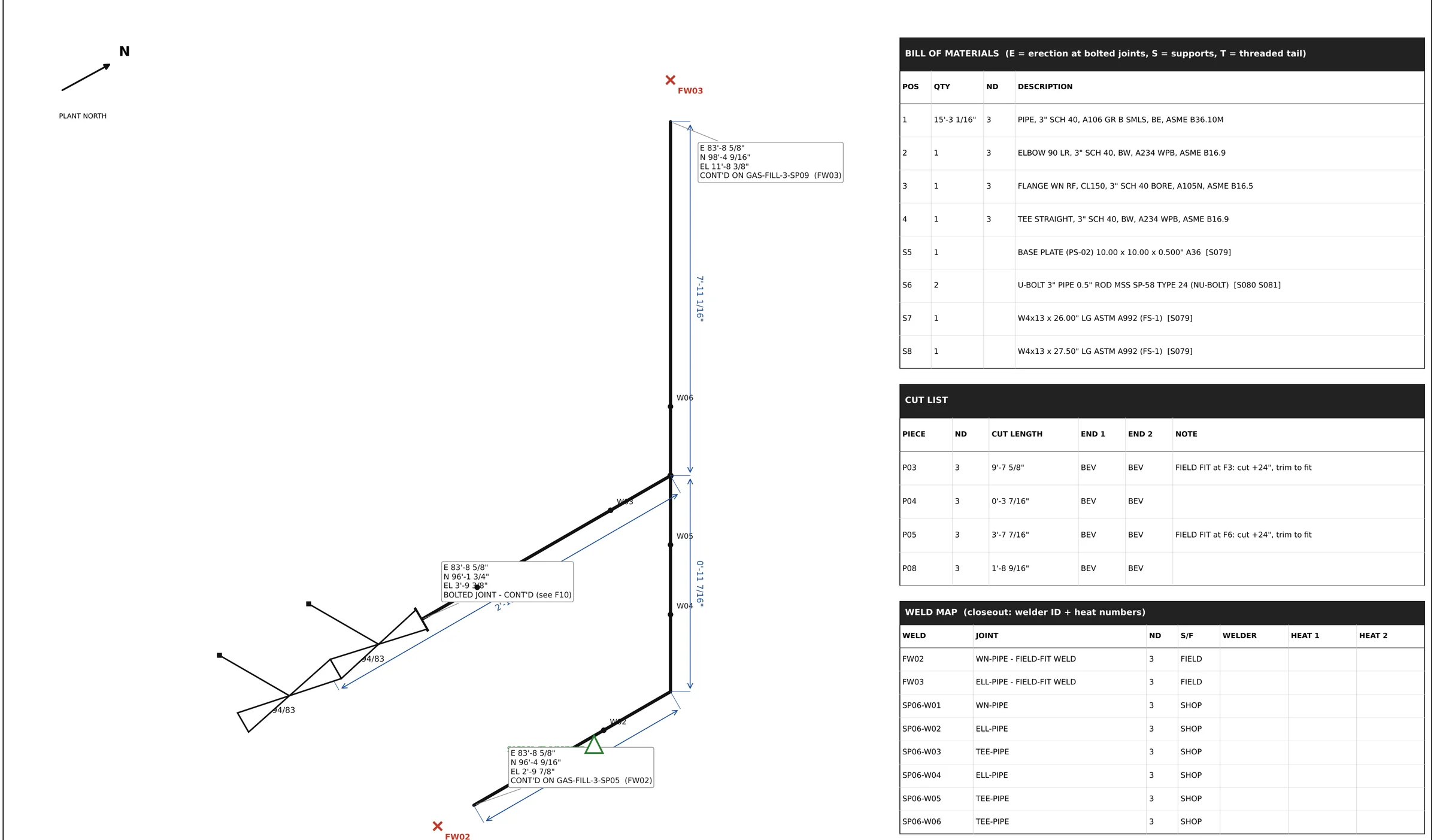
Accuwright runs a full fabrication shop for pipe fabrication, and our crews install the spools it builds. The shop makes all of our pipe support structures and pre-spools our piping projects. Each support is called out on the iso by type and location, down to the base plate, the steel member and the U-bolt, so the stands are ready when the pipe gets there.
Welding on a bench is more controlled than welding overhead in a running plant, and it keeps time on your floor short. The same shop runs a Nukon fiber laser for in-house cutting.
Field Fit gives a fitter the cutbacks for a pipe branch on a pipe main at any angle, on center or off, from 1/2″ to 48″: mark the lines, read the cutbacks, check the fit in 3D, burn it. It is free in the TOOLroom, along with step-by-step layout guides and other planning tools our teams use. Try it before you call us.
Tell us the system, the pipe sizes, the material, the location and the schedule. Attach a drawing, a line list or photos of the tie-in points if you have them. Same-day pricing: a number back the same day, not in three to five business days.
Rather talk it through? 877-898-4377. Ask for the planning team.
Process piping carries the product and utilities a plant runs on. Sanitary piping is built for food, beverage and other clean processes where the system has to be cleanable and free of places for product to hang up. High-purity piping goes a step further, into cleanroom and fab environments where contamination has to be controlled. We install all three, welded to match the service.
Yes. Spools are cut, fit and welded in our shop by certified welders, then fit-checked before they go to the plant, which shortens the time on your floor.
Our piping is welded to ASME and AWS code by certified welders in the shop and in the field, then hydrostatically or pneumatically tested and documented. We work to ASME B31.1, B31.3 and B31.9, and 3-A where applicable. Tell us the code and the testing your project calls for, and we will price to it.
Yes. Spools and steel are measured, fabricated and fit-checked before the window opens, which shortens the time on the floor. Never missed a startup in 25 years.
Yes. Our shop builds all of our support structures. Each support is called out on the spool iso by type and location.
MEP_IT is the piping software we built in-house. It models the system at standard dimensions, produces spool isometrics with a bill of materials, cut list and weld map, and checks the system and the counts against the takeoff.
Pipefitters, welders, millwrights, riggers and electricians are on Accuwright’s own payroll, and our crews self-perform the core work. If a new line also needs steel set, equipment landed or power run, it is the same crew and the same contract.
Home ground is the Southern Industrial Corridor, South Carolina to Texas, from shops in Greenville, Georgia and Fort Worth, Texas. Beyond it we work coast to coast. When we quote the North, the Northeast and the West Coast, we win work. Test us against your locals.